Neck pain after sleeping wrong? Movements to ease stiffness
Gentle movements to help ease morning neck stiffness, plus practical tips for a more comfortable night's sleep.
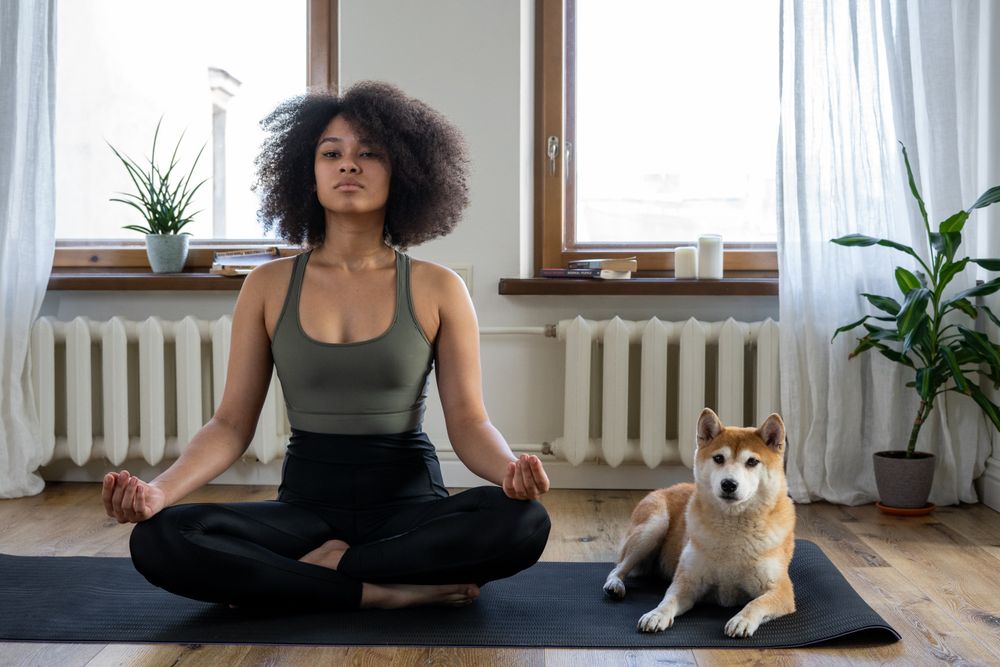
Woke up with a stiff neck?
Looking over your shoulder shouldn’t be the hardest part of getting out of bed. If your neck feels stiff after sleeping in an awkward position, start with gentle movement rather than trying to force it loose.
Below are seven movements from chin tucks to shoulder rolls, followed by practical ways to make your sleeping setup more comfortable. Keep each movement slow and within a comfortable range. Stop if you feel sharp or worsening pain.
This article focuses on everyday stiffness, not pain following an injury. If you have numbness, arm weakness, fever, or severe or worsening symptoms, seek medical advice rather than working through the sequence.
Movements to ease morning neck stiffness
Work through the movements in the order below without forcing a stretch. The aim is comfortable movement, not reaching as far as possible.
1. Chin tucks
Practise moving your head back without tipping it up or down.
- Sit upright with your shoulders relaxed.
- Draw your chin straight back.
- Hold for 5–10 seconds, then release. Repeat 10 times.
Keep in mind: Your chin moves backward, not down toward your chest. Keep your shoulders relaxed throughout.
2. Side neck stretch
This movement stretches the side of your neck.
- Sit comfortably and tilt your right ear toward your right shoulder.
- Hold for 20 seconds, then return to the centre.
- Repeat on the other side. Complete 3–5 repetitions per side.
Keep in mind: Move slowly and avoid forcing your head toward your shoulder.
3. Neck rotation
Practise turning your head from side to side within a comfortable range.
- Start facing forward.
- Slowly turn your head to one side and hold for 15–20 seconds.
- Return to the centre, then turn to the other side. Complete 5 repetitions per side.
Keep in mind: Don’t push through a painful point to turn farther.
4. Forward neck stretch
This movement brings your chin toward your chest to stretch the back of your neck.
- Slowly lower your chin toward your chest.
- Hold for 20 seconds.
- Return to the starting position. Repeat 5–10 times.
Keep in mind: Lower your head gently rather than forcing the movement.
5. Shoulder rolls
Give the area around your shoulders some movement too.
- Lift both shoulders toward your ears.
- Roll them backward 10 times.
- Reverse direction and roll them forward 10 times.
Keep in mind: Keep the circles slow and comfortable, without sudden movements.
6. Levator scapulae stretch
The levator scapulae is a muscle connecting your neck and shoulder blade. This stretch focuses on that area.
- Turn your head about 45 degrees to one side.
- Look down toward your armpit.
- Hold for 20 seconds. Repeat 3 times per side.
Keep in mind: Keep the movement gentle. Don’t force your head farther down.
7. Upper trapezius stretch
The upper trapezius runs between your neck and shoulder. This movement focuses on that region.
- Sit upright and hold the edge of your chair with one hand.
- Tilt your head away from the shoulder on that side.
- Hold for 20 seconds, then change sides.
Keep in mind: Move slowly and avoid pulling your head into a deeper stretch.
Why your neck may feel stiff after sleeping
Your neck can feel uncomfortable after spending hours in one position, especially if your head stays turned or tilted. A pillow that holds your head too high or lets it drop too low may also leave you feeling stiff in the morning.
You might notice tightness around your neck and shoulders or find turning your head uncomfortable. But waking up with pain doesn’t establish its cause. Persistent, worsening, or unusual symptoms deserve attention rather than an assumption that you simply slept wrong.
Keep movement comfortable during the day
A stretch sequence isn’t the only opportunity to move. Try to avoid staying in one position for long periods, whether you’re at your desk or looking at your phone.
- Take short breaks from screen time.
- Position your monitor so you don’t have to keep looking down.
- Keep your shoulders relaxed instead of holding them tense.
- Avoid sudden, forceful neck movements or trying to crack your neck to release stiffness.
The goal isn’t to hold a perfect posture all day. It’s to give yourself opportunities to change position comfortably.
Make your sleeping setup more comfortable
Check your head and neck position
Aim for a position where your head isn’t pushed sharply forward, backward, or sideways.
If you sleep on your side, check whether your pillow fills the gap between your head and shoulder without tipping your head upward. If you sleep on your back, check that your pillow supports your neck without pushing your chin toward your chest.
Stomach sleeping keeps your head turned to one side. If that position leaves you uncomfortable, consider whether side or back sleeping feels better for you.
Check the pillow you already have
Before shopping for a particular pillow material, look at how your current pillow supports you in your usual sleeping position. Has it flattened or become uneven? Does your head feel tilted rather than comfortably supported?
A pillow’s fit matters more than calling it a universal solution. There isn’t a guaranteed pillow fix for every case of morning neck pain.
When to get medical advice
Seek medical attention promptly if your neck pain follows an accident or fall, or comes with numbness, tingling, arm weakness, fever, a severe headache, or unexplained weight loss.
If the pain persists, keeps returning, or gets worse, speak with a healthcare professional. Don’t rely on a recovery timetable to decide whether your symptoms need attention.
A practical reminder for tomorrow morning
Start gently rather than forcing your neck loose. Note which movements feel comfortable, and check your pillow and sleeping position before bed. If symptoms persist or worsen, get advice instead of pushing harder.
Medical disclaimer: This article is for educational purposes and does not replace professional medical advice, diagnosis, or treatment. If symptoms are severe, persistent, or accompanied by numbness, weakness, fever, or pain following an injury, seek evaluation from a qualified healthcare professional promptly.
Further reading
- Kim MH, Yi CH, Kwon OY, et al. Effect of sleep posture on neck muscle activity. Journal of Physical Therapy Science. 2017.
- Cary D, et al. Identifying relationships between sleep posture and non-specific spinal symptoms in adults: A scoping review. BMJ Open Sport & Exercise Medicine.
- Neck Pain: Revision 2017.
Sources
- Lead photograph: Pexels source — existing project reference image, used temporarily for editorial review.